
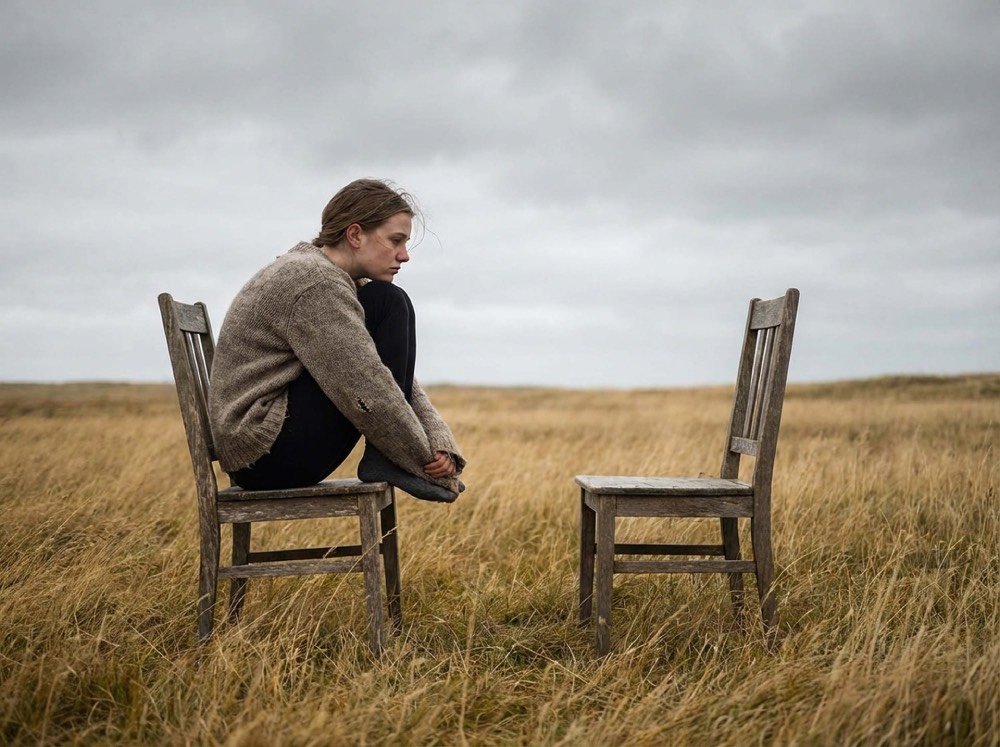
We have just been through a big holiday when families traditionally gather together for Thanksgiving. But in so many homes, there is an empty chair at the festive table, and that can be challenging.
Helen steeled herself to spend Thanksgiving with her parents. She committed three days to travel for the long weekend. It wasn’t a long distance, but it represented a huge departure from her new life, new city, new job. Thanksgiving with the family….what did she have to be thankful for she asked herself. There will be an empty chair there.
She would have asked her fiancé to come with her, or they might have gone to his parents’ home. But he was gone; died in a road accident. Crazy how it happened, driving rain, oncoming vehicle lights reflecting off the pavement. Semi coming up behind him. Somehow, they all ended up in a tangle in the middle of the road. She didn’t find out until several days afterward.
We have just been through a big holiday when families traditionally gather together. It is a time set aside so we can focus on the many gifts in our life, to thank God for His provision and protection.
In so many homes, there is an empty chair at the festive table, in the living room where families share stories about life together, or at the restaurant if that is our choice. Some of us are alone on festive days, but still the holiday causes us to remember people who are no longer with us, either through death, estrangement or physical distance.
Holidays often highlight changes that have happened since we last celebrated them. Maybe the change is because someone not there, and maybe it is a change in our life status, maybe we have moved away from our support base, or we have lost a job, or our financial status has changed. Maybe we are dealing with physical changes causing us to be more focused on an illness than on social events. Or we are now a home caregiver for an ailing family member.
So many things can distract us from celebrating holidays in the moment. What are holidays for, after all? They give us a moment to take time out from our normal routine to be grateful for what we do have in our lives now – people, resources, skills, physical health, emotional strength, mental capability. When life tests us, as it does so often, we can celebrate our survival, the lessons we have learned and our ability to move forward.
Some people write a gratitude journal to help deal with bad times; some turn to scripture; some turn to supportive, non-judgemental people like good friends, counsellors, clergy. All these are part of God’s provision.
So many of us have been through similar tragedies to our Helen. We may have asked God “How could you allow this terrible thing to happen? “ or “What have I done to deserve this?“
In his book When Bad Things Happen to Good People, Rabbi Harold S. Kushner suggests that these are not the best questions. They don’t promote the internal peace. Instead of viewing suffering as a divine punishment, he offers, it is more helpful for us to understand God as loving and empathetic, walking alongside us, or even carrying us when we are in the midst of these challenging life events.
We all experience the ups and downs of life. God’s good grace and provision can be the anchor that keeps us steady.
– – –
Cathy Carphin is a Certified Grief Educator and Life Coach. She has written two books and produced an extensive number of articles and videos describing the complexities of grief. She is available for speaking engagements and guidance on navigating difficult life experiences. Cathy can be reached at cathy@letstalktogether.ca or www.letstalktogether.ca
Photo credit: annamae22 Pixabay.com
You can read more articles on our interfaith blog, Spiritually Speaking at https://www.timescolonist.com/blogs/spiritually-speaking
This article was originally published in the print edition of the Times Colonist on Saturday, October 17th, 2026.


